

'%3E%3Cpath d='M0,0 v30 h60 v-30 z' fill='%23012169'/%3E%3Cpath d='M0,0 L60,30 M60,0 L0,30' stroke='%23fff' stroke-width='6'/%3E%3Cpath d='M0,0 L60,30 M60,0 L0,30' clip-path='url(%23t)' stroke='%23C8102E' stroke-width='4'/%3E%3Cpath d='M30,0 v30 M0,15 h60' stroke='%23fff' stroke-width='10'/%3E%3Cpath d='M30,0 v30 M0,15 h60' stroke='%23C8102E' stroke-width='6'/%3E%3C/g%3E%3C/svg%3E)

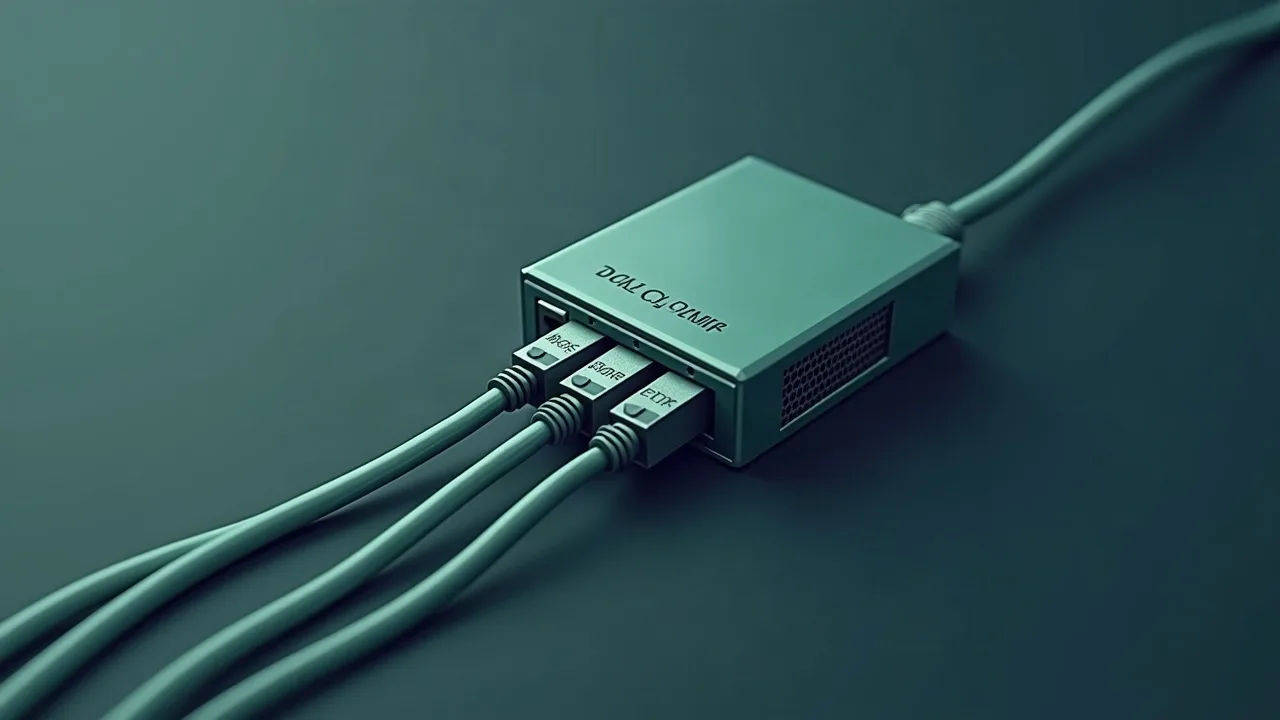
If you want to learn how to set up a TV card by yourself, you have come to the right place. In this article, I will talk about setting up a TV card using CCcam and OScam, as well as provide useful troubleshooting tips. Setting up a TV card may seem like a complex task, but with the right information and steps, it is quite achievable.
Basics of setting up a TV card
What are CCcam and OScam?
CCcam and OScam are protocols used for data exchange between access cards and receivers. CCcam is easier to use and more popular among beginners. OScam, on the other hand, offers more customization and management options, making it the preferred choice for experienced users.
Required hardware and software
To set up a TV card, you will need the following hardware:
- Satellite receiver that supports CCcam or OScam.
- TV card inserted into the receiver.
- Computer or laptop for editing configuration files.
- Network connection for data exchange between devices.
Required software includes CCcam and OScam, which can be downloaded from official websites or specialized forums.
General setup requirements
Make sure your satellite receiver is connected to the internet and can receive updates. It is also important that the version of CCcam or OScam is up to date, as this affects compatibility with TV cards and operational stability.
Step-by-step instructions for setting up CCcam
Installing CCcam
To install CCcam, you need to download the latest version from the official website. Usually, this is an archive with files that need to be unpacked and uploaded to your satellite receiver. For example, if you have a Linux-based receiver, use an FTP client (like FileZilla) to upload the files to the /usr/bin/ directory.
Configuring the configuration file
After installing CCcam, you need to edit the configuration file, which is usually located at /etc/CCcam.cfg. Open the file with a text editor and add your connection details, such as:
C: ваш_провайдер ваш_логин ваш_пароль
Also, make sure the ports are specified, by default this is 12000. If your provider uses different ports, change them in the configuration file.
Launching and checking operation
After configuring the configuration file, launch CCcam through your receiver's interface. To check its operation, you can use the built-in functions of the receiver or special applications to monitor the status of CCcam. Make sure the connection status is "online."
Step-by-step instructions for setting up OScam
Installing OScam
Installing OScam is similar to installing CCcam. Download OScam, unpack the archive, and upload the files to the receiver. For OScam, the /usr/bin/ and /etc/oscam/ folders are usually used.
Configuring the configuration file
OScam configuration occurs through several files: oscam.conf, oscam.server, and oscam.user. In the oscam.conf file, specify the server settings and protocols:
[global]
logfile = /tmp/oscam.log
In the oscam.server file, add information about your access card:
[reader]
label = mycard
enable = 1
protocol = cccam
device = ваш_провайдер:порт
user = ваш_логин
password = ваш_пароль
Don't forget to configure the oscam.user file to add users who will connect to your server.
Launching and checking operation
Launch OScam through the receiver's interface. To check its operation, use the OScam web interface, which is usually available at http://IP_receiver:8888. Here you can see the connection status, errors, and other important data.
Troubleshooting and tips
Common problems and their solutions
If the TV card is not working, check the following points:
- Correctness of the entered data in configuration files.
- Internet status and connection with the provider.
- Versions of CCcam and OScam — you may need to update.
If problems persist, try rebooting the receiver.
Tips for optimizing performance
To improve performance, configure caching settings in the configuration files. Also, monitor the status of your connections and use stable providers to reduce latency.
Security and privacy protection
Be sure to use strong passwords for accessing your server. Set up a firewall to restrict access to your device only from trusted IP addresses. This will help prevent unauthorized access.
How to choose a provider for a satellite card?
When choosing a provider, pay attention to the stability of their service, connection speed, and quality of technical support. A good provider should have positive reviews and offer a testing option before purchase.
What to do if the satellite card is not working?
If the satellite card is not working, start by checking the connection. Make sure the receiver is connected to the internet, and also check the configuration files for errors. If everything is fine, try rebooting the receiver.
How to update the CCcam or OScam configuration?
To update the configuration, open the corresponding configuration file and make the necessary changes. After that, restart CCcam or OScam to apply the new settings.
Which ports to use for CCcam and OScam?
The standard port for CCcam is 12000, while OScam usually uses 8888 for the web interface. Make sure these ports are open in your router's firewall.
How to ensure security when using CCcam?
To ensure security, use complex passwords, regularly update the software, and restrict access to your server only to trusted IP addresses.
Additional tips for setting up a satellite card
How to set up a satellite card in unstable internet conditions
If you have an unstable internet connection, it may lead to frequent disconnections and viewing problems. In this case, consider using dynamic DNS, which will allow your receiver to always find your IP address, even if it changes. Install a dynamic DNS client on your computer or router that will automatically update DNS records. This is especially useful if your provider assigns dynamic IP addresses.
What to do if the hardware is incompatible with CCcam or OScam?
If your hardware does not support CCcam or OScam, check for firmware updates for your receiver. Sometimes manufacturers release updates that add support for new protocols. If an update is not possible, consider purchasing a new receiver that supports the protocols you need. Before buying, be sure to check if the receiver is compatible with the cards and programs you require.
Licensing and legality of using satellite cards
It is important to be aware that using satellite cards and exchanging data via CCcam and OScam may be illegal in some countries. Before setting up a satellite card, study the laws in your region and ensure that you comply with all requirements. Some providers may offer legal solutions that guarantee no issues with the law.
Tips for monitoring and managing the server
For effective management of your server, it is advisable to install monitoring tools such as Oscam Web Interface or CCcam Info. They will help you track active connections, errors, and the performance of your server. Regularly check the logs for errors and warnings, which will help you identify and resolve issues in a timely manner.
Also, do not forget about regular backups of your configuration files. This will allow you to quickly restore settings in case of a failure or error. Store backups on an external drive or in cloud storage for added security.
Practical checklist for smooth viewing
Even the best CCCam or OSCam line needs two or three simple preparations. Update your receiver firmware, reset the ECM cache once a week and keep 15–20% free space on the USB stick or internal flash so that the reader can store keys without delays.
When tuning a dish, aim for MER/BER reserve: a two‑degree offset or a loose F‑connector often causes the “freezing” that users blame on cardsharing. Keep a short patch cord to test alternative routers, and save two profiles in OSCam — one for TCP, one for UDP — so you can switch instantly if your ISP starts filtering a protocol.
Utgard.tv monitors each hub 24/7, but you can speed up diagnostics by keeping a short log of your receiver actions. Note the time when you changed the channel, which CAID was active and whether you used Wi‑Fi or Ethernet. This tiny “journal” helps engineers reproduce your environment in the lab and return with a solution in minutes instead of hours.
- Keep two line slots enabled: if the first server hits a maintenance window, the second one instantly takes over without re-entering credentials.
- Run a monthly speed and latency test. Stable 1–2 Mbps with ping <80 ms is enough for SD/HD, but if jitter exceeds 20 ms, switch the router to wired mode.
- Save the Utgard.tv status page and Telegram bot @utgard_sharing_bot to bookmarks — they publish maintenance notices before SEMrush or uptime monitors raise alerts.