

'%3E%3Cpath d='M0,0 v30 h60 v-30 z' fill='%23012169'/%3E%3Cpath d='M0,0 L60,30 M60,0 L0,30' stroke='%23fff' stroke-width='6'/%3E%3Cpath d='M0,0 L60,30 M60,0 L0,30' clip-path='url(%23t)' stroke='%23C8102E' stroke-width='4'/%3E%3Cpath d='M30,0 v30 M0,15 h60' stroke='%23fff' stroke-width='10'/%3E%3Cpath d='M30,0 v30 M0,15 h60' stroke='%23C8102E' stroke-width='6'/%3E%3C/g%3E%3C/svg%3E)

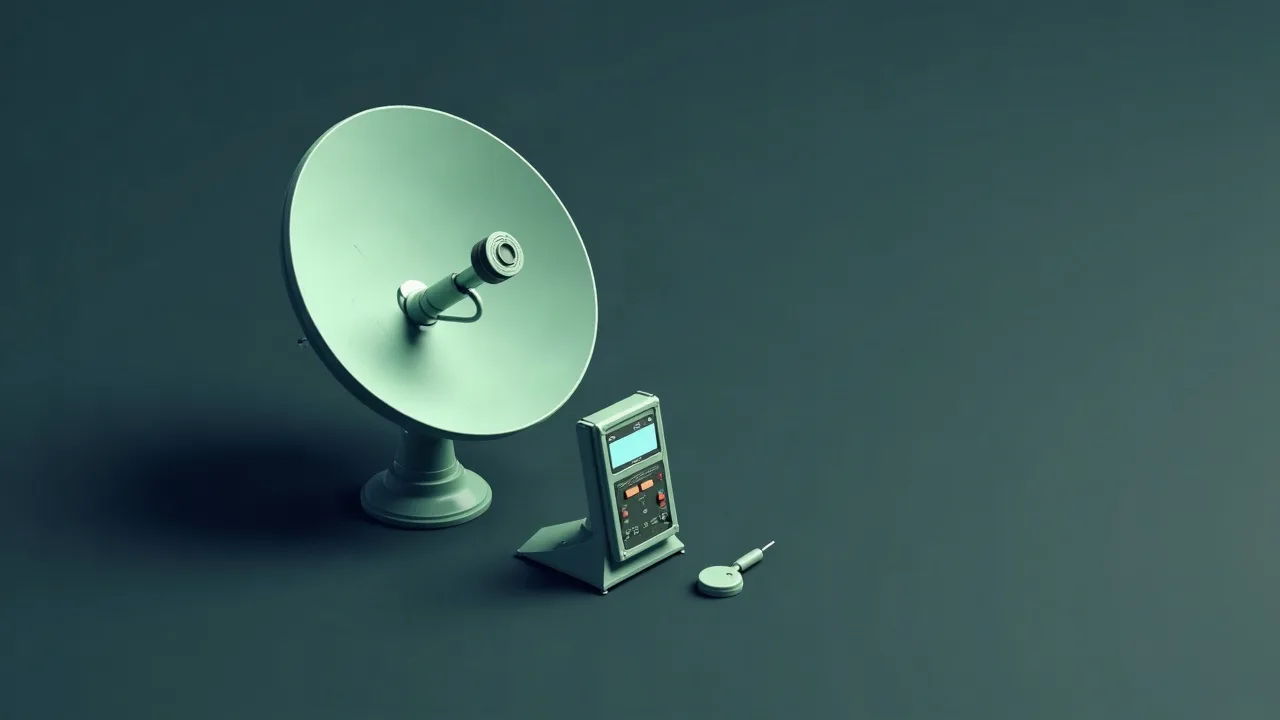
Introduction to Zgemma setup
If you are looking for a way to set up Zgemma to work with CCcam or OScam, you have come to the right place. In thisZgemma setup overview I will explain what Zgemma is, as well as the advantages of using CCcam and OScam. This will help you better understand how to properly set up your device.
What is Zgemma?
Zgemma is a popular satellite receiver that allows users to access satellite television. It supports various formats and protocols, making it a versatile device for setup. Many users choose Zgemma for its functionality and affordable price.
Overview of CCcam and OScam
CCcam and OScam are the two most common protocols for card sharing. CCcam is easier to set up, but OScam offers more customization and security options. Both protocols allow users to share their cards and access content that may be unavailable in their region.
Advantages of using Zgemma
Using Zgemma with CCcam or OScam has many advantages. First, it provides good performance when streaming video. Second, Zgemma supports multiple formats and protocols, making it ideal for most users. Finally, the presence of an active community makes the setup and troubleshooting process more accessible.
Preparing for setup
Before you start setting up Zgemma to work with CCcam or OScam, you need to prepare the necessary equipment and software. In this part, I will explain what you will need.
Necessary equipment
To begin, you will need the Zgemma receiver itself, internet access, and a satellite dish. Additionally, you may need a computer to download firmware and configuration files. The network connection should be stable to avoid issues during setup.
Checking compatibility
Make sure your version of Zgemma supports CCcam and OScam. You can find this information on the official website or in the device documentation. Also, check that your firmware is up to date.
Downloading firmware
To install the firmware, you need to download the file from the official Zgemma website. Usually, this is a ZIP archive that needs to be unpacked and loaded onto a flash drive. Then connect the flash drive to the receiver and follow the on-screen instructions to update the firmware.
Steps to set up Zgemma with CCcam/OScam
Now let's move on to the actual setup. In this section, I will provide step-by-step instructions for network setup and configuring CCcam and OScam.
Network setup
The first thing you need to do is configure the network settings. Go to the Zgemma settings menu, select "Network Settings," and enter your parameters (IP address, subnet mask, gateway). Make sure your device is connected to the internet.
CCcam configuration
To configure CCcam, open the configuration file, which is usually located at/etc/CCcam.cfg. In this file, you need to specify your provider's details. An example configuration might look like this:
SERVER LISTEN PORT : 12000
N: сервер_провайдера 12000 логин пароль
After making changes, restart CCcam through the receiver interface.
OScam configuration
Configuring OScam is a bit more complicated, but also very important. The OScam configuration file is usually located at/etc/oscam/oscam.server. Example configuration:
[reader]
label = my_reader
protocol = cccam
device = сервер_провайдера,12000
user = логин
password = пароль
Don't forget to save the changes and restart OScam.
Troubleshooting
Despite all efforts, problems may still arise. In this section, I will share common issues and ways to resolve them.
Common problems
One of the most common issues is incorrect data entry in the configuration files. Make sure you have correctly specified the login, password, and server address. Also, check that your internet signal is stable.
How to check the connection
To check if your Zgemma is connected to the server, go to the OScam menu and check the connection status. If the connection is not established, it may be due to incorrect network or configuration settings.
Settings to improve performance
Try adjusting the buffering parameters and timeouts in the CCcam and OScam configuration. This can help improve connection stability. For example, increase the valueMAX CLIENTS in CCcam to support more parallel connections.
How to choose the right provider for CCcam?
Look for reliability, speed, and support. A good provider should have positive user reviews and offer stable servers.
What to do if Zgemma does not connect to the server?
Check the network and configuration settings. Make sure all data is entered correctly and the internet connection is stable.
Can Zgemma be used with other protocols?
Yes, Zgemma supports various protocols, including Newcamd and others. This expands your configuration options.
How to update the Zgemma firmware?
Follow the instructions on the official website for updating. This usually involves downloading the firmware to a flash drive and installing it through the receiver's menu.
How to secure your CCcam server?
Use strong passwords and encryption. This will help protect your data and prevent abuse.
Additional settings for Zgemma
After the basic setup, it is important to consider additional options that can improve your receiver's performance. I will discuss some of them that can make using Zgemma more convenient.
Setting up EPG (Electronic Program Guide)
EPG is an electronic program guide that allows you to see the schedule of broadcasts and manage recordings. In Zgemma, you can set up EPG to receive data from your provider. To do this, go to the settings and select the EPG source. Connect it to your CCcam or OScam server.
Optimizing video and audio settings
Video and audio settings can significantly affect the quality of image and sound. I recommend checking the video format settings and choosing one that is suitable for your TV. Also, if you have 4K support, make sure the receiver is set to the optimal resolution.
Using plugins to extend functionality
Zgemma supports various plugins that can enhance your device's functionality. Try installing plugins for managing recordings or for integrating with IPTV. This can significantly expand your capabilities and make viewing more convenient.
The security of your Zgemma
Ensuring the security of your Zgemma is a critically important aspect that is often overlooked. I will discuss several steps that can help protect your device.
Changing default passwords
The first thing to do is to change the default passwords. Use complex passwords and do not share them with others. This will help prevent unauthorized access to your server.
Encrypting data streams
If your provider supports encryption, be sure to use this feature. It will add an extra layer of protection and prevent data interception.
Regular updates
Keep an eye on firmware and software updates. Developers often release updates that close vulnerabilities and improve performance. Regularly updating the device is key to its security.
Now that you know how to properly set up Zgemma to work with CCcam and OScam, as well as how to improve its functionality and security, you can enjoy quality satellite TV viewing. I hope thisZgemma setup overview was helpful and will assist you in your endeavors!
Practical checklist for smooth viewing
Even the best CCCam or OSCam line needs two or three simple preparations. Update your receiver firmware, reset the ECM cache once a week and keep 15–20% free space on the USB stick or internal flash so that the reader can store keys without delays.
When tuning a dish, aim for MER/BER reserve: a two‑degree offset or a loose F‑connector often causes the “freezing” that users blame on cardsharing. Keep a short patch cord to test alternative routers, and save two profiles in OSCam — one for TCP, one for UDP — so you can switch instantly if your ISP starts filtering a protocol.
Utgard.tv monitors each hub 24/7, but you can speed up diagnostics by keeping a short log of your receiver actions. Note the time when you changed the channel, which CAID was active and whether you used Wi‑Fi or Ethernet. This tiny “journal” helps engineers reproduce your environment in the lab and return with a solution in minutes instead of hours.
- Keep two line slots enabled: if the first server hits a maintenance window, the second one instantly takes over without re-entering credentials.
- Run a monthly speed and latency test. Stable 1–2 Mbps with ping <80 ms is enough for SD/HD, but if jitter exceeds 20 ms, switch the router to wired mode.
- Save the Utgard.tv status page and Telegram bot @utgard_sharing_bot to bookmarks — they publish maintenance notices before SEMrush or uptime monitors raise alerts.