

'%3E%3Cpath d='M0,0 v30 h60 v-30 z' fill='%23012169'/%3E%3Cpath d='M0,0 L60,30 M60,0 L0,30' stroke='%23fff' stroke-width='6'/%3E%3Cpath d='M0,0 L60,30 M60,0 L0,30' clip-path='url(%23t)' stroke='%23C8102E' stroke-width='4'/%3E%3Cpath d='M30,0 v30 M0,15 h60' stroke='%23fff' stroke-width='10'/%3E%3Cpath d='M30,0 v30 M0,15 h60' stroke='%23C8102E' stroke-width='6'/%3E%3C/g%3E%3C/svg%3E)

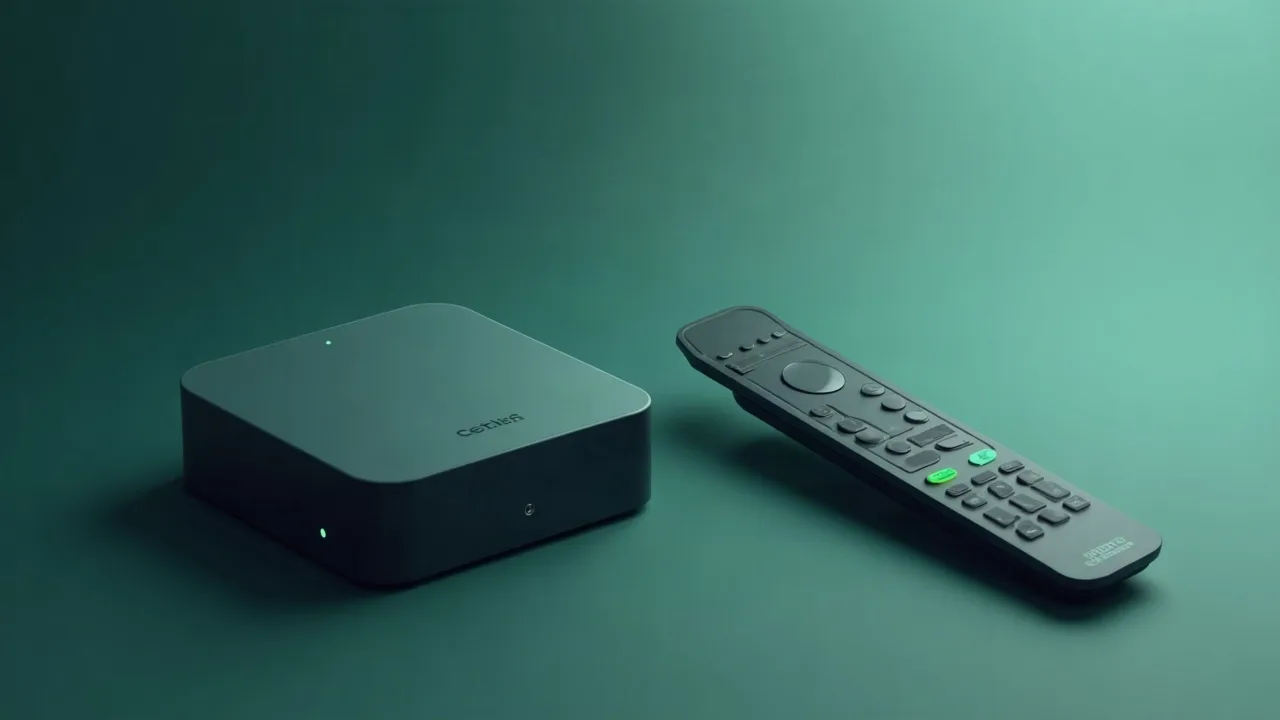
If you are looking for where to buy a TV card, you are on the right track. In this guide, I will discuss various purchasing options, choosing a provider for CCcam andOScam, as well as how to properly set up the equipment. This will help you avoid common mistakes and get the most out of your TV card.
Where to buy a TV card
Purchasing a TV card can be done in several places, both in physical and virtual spaces. I will discuss three main options for where to buy a TV card.
Physical stores
Electronics stores and specialized shops offering satellite equipment often have TV cards in their assortment. The advantage of buying in a physical store is the opportunity to get advice from the seller and immediately check compatibility with your equipment. Don't forget to clarify which TV cards are available and what services they support.
Online stores
There are many online stores where you can purchase a TV card. This is a convenient option as you can compare prices and delivery conditions. Pay attention to the store's reputation and customer reviews. I recommend checking for security certificates to avoid fraud when shopping online.
Markets and fairs
At markets or fairs, you can find sellers offering TV cards at competitive prices. However, when buying in such places, it is important to be cautious. Always check the product before purchasing and ask about the warranty. I recommend having a list of questions for the seller to ensure the quality of the product.
How to choose a provider for CCcam/OScam
Choosing a provider forCCcam or OScam is an important step for the successful operation of your TV card. Let's look at what to pay attention to when choosing a provider.
Selection criteria
The first thing to pay attention to is the stability and speed of the service. The provider should ensure a high level of reliability and minimal delays in data transmission. It is also important to have support for various encodings and broadcasting standards.
What to look for in a provider
The provider should offer transparent terms of use, including subscription costs and the possibility of testing the service. I recommend choosing providers with positive reviews and a good reputation on specialized forums. It is also worth paying attention to the availability of technical support that can help you in case of problems.
Avoid scammers
Unfortunately, there are many scammers in the market. Be sure to check the information about the provider, look at reviews, and do not agree to prices that are too low, which may be a sign of an unscrupulous service. Also, avoid providers that require prepayment without the possibility of testing the service.
Setting up CCcam and OScam
After you have purchased a TV card and chosen a provider, the next step is to set upCCcam and OScam. I will share step-by-step instructions to ensure everything goes smoothly.
Installing CCcam
To install CCcam, you will need to download the latest version from the official website. Make sure your device is compatible with CCcam. After downloading the file, execute the following commands in the terminal:
sudo apt-get update
sudo apt-get install cccam
After installation, you need to edit the configuration file, which is usually located at /etc/CCcam.cfg. In this file, you will add your provider's data, such as F: line and C: line.
Configuring OScam
To set up OScam, you will need to download it from the official website and install it just like CCcam. The configuration files for OScam are located in the /etc/oscam/ directory. The main files you will need to configure are oscam.server and oscam.user. In the oscam.server file, specify your provider's data, and in oscam.user, configure access for clients.
Testing the connection
After completing all the settings, be sure to test the connection. You can use the command in the terminal for this:
oscam -b
If everything is set up correctly, you will see information about the connection and the status of your TV card. Check the channels and make sure everything is working correctly.
Troubleshooting issues with the TV card
Despite all efforts, problems can sometimes arise. I will talk about the most common ones and how to solve them.
Common problems
Users often encounter issues such as lack of signal, connection errors, or compatibility problems. Before delving into technical details, check if all cables are connected correctly and if the equipment is configured properly.
Troubleshooting tips
If you are having connection issues, try rebooting the equipment. Also, check the configuration file settings. Sometimes, simply updating them and restarting the service is enough. Use commands to check the status of CCcam and OScam to quickly identify the problem.
When to seek help
If you cannot resolve the issue on your own, do not hesitate to seek help on forums or from your provider's technical support. Share detailed information about your configuration and the problem to receive more accurate recommendations.
How to check the functionality of the TV card?
Check the connections and settings. Make sure all cables are connected correctly and that your configuration is accurate.
What to do if the TV card does not work?
Reboot the equipment and check the configuration. You may need to update the settings or check the connection.
Can the TV card be used with other devices?
Yes, the TV card may be compatible with various devices, but always check their compatibility before purchasing.
How to update CCcam settings?
Updating CCcam configuration files can be done through a text editor. After making changes, do not forget to restart the service.
Where to find support for configuring OScam?
Look for forums and interest communities where users share experiences and can help with configuration.
Additional tips for buying a TV card
When purchasing a TV card, it is important to consider not only the price but also the quality of service. Sometimes it is worth spending a little more to get reliable support and guarantees. I recommend paying attention to the presence of official distributors and certified sellers. This can significantly reduce the risk of purchasing a low-quality product.
Checking equipment compatibility
Before buying a TV card, be sure to check compatibility with your satellite receiver. There are instances where cards have been purchased that were not supported by devices. Find out what formats and standards your receiver supports and choose a TV card that meets these requirements.
Updating the receiver firmware
Another important aspect that users sometimes forget is the need to update the receiver firmware. Regular firmware updates can improve performance and fix various bugs. I recommend checking for updates on the manufacturer's website for your device. Usually, the update process is quite simple and involves downloading the new firmware version and installing it through the device menu.
Comparison of CCcam and OScam
Although CCcam and OScam perform similar functions, they have their own features. CCcam is easier to set up, making it ideal for beginners. However, OScam offers more customization options and functionality expansion. If you need more complex settings and the ability to work with multiple providers, OScam may be the better choice.
Ultimately, the choice between CCcam and OScam will depend on your needs and level of technical expertise. I recommend testing both options to understand which one suits you better.
Practical checklist for smooth viewing
Even the best CCCam or OSCam line needs two or three simple preparations. Update your receiver firmware, reset the ECM cache once a week and keep 15–20% free space on the USB stick or internal flash so that the reader can store keys without delays.
When tuning a dish, aim for MER/BER reserve: a two‑degree offset or a loose F‑connector often causes the “freezing” that users blame on cardsharing. Keep a short patch cord to test alternative routers, and save two profiles in OSCam — one for TCP, one for UDP — so you can switch instantly if your ISP starts filtering a protocol.
Utgard.tv monitors each hub 24/7, but you can speed up diagnostics by keeping a short log of your receiver actions. Note the time when you changed the channel, which CAID was active and whether you used Wi‑Fi or Ethernet. This tiny “journal” helps engineers reproduce your environment in the lab and return with a solution in minutes instead of hours.
- Keep two line slots enabled: if the first server hits a maintenance window, the second one instantly takes over without re-entering credentials.
- Run a monthly speed and latency test. Stable 1–2 Mbps with ping <80 ms is enough for SD/HD, but if jitter exceeds 20 ms, switch the router to wired mode.
- Save the Utgard.tv status page and Telegram bot @utgard_sharing_bot to bookmarks — they publish maintenance notices before SEMrush or uptime monitors raise alerts.